Pumpkin’s Power

Happy Halloween! I have to admit that this is one of my favorite days of the year, so a minute of pumpkin worship in its honor must be given. Everyone is long accustomed to indulging in the traditional pumpkin pie throughout the holiday season, and more recently pumpkin loaves, soups and muffins have joined the list of autumn treats. Yet the nutritional value of this fruit makes it worthy of consumption all year long.

Pumpkin’s Nutrients, The Anatomical Breakdown

Starting with its skin, the rich orange pigmentation is a naturally high source of beta carotene. This converts in the body to Vitamin A, and is highly regarded as one of the most important antioxidant vitamins and most potent anti-aging nutrients.

Along to the pulp. Also rich in beta carotene, it contains a good amount of fiber and water making it helpful to digestion, colon health, blood sugar balance and weight management. One half cup contains 5 grams of fiber, that’s over 12% of the recommended 40 grams per day!

Luckily, the pumpkin seed’s nutritional benefits are no secret. They are high in protein, minerals, essential fatty acids and phytosterols. Their protein content makes them a good alternative to meat, and the minerals supplied keeps them on the list of healthy snack options. Some highly concentrated minerals are:

  • Iron- the blood builder
  • Magnesium-the muscle relaxer and de-stressor
  • Potassium- the regulator of water balance
  • Zinc– the immune enhancer and wound healer

Both the Essential Fatty Acids (omega 3 and 6) and the phytosterols (plant sterols) aid the cardiovascular system by decreasing inflammation and decreasing cholesterol. Phytosterols do this by competing with other cholesterol for absorption, and this competition keeps the LDL, aka “bad cholesterol”, levels low. The EFAs also support blood vessel, nerve and tissue health, all important components to increased heart health.**Note: Heart disease is still the leading cause of mortality in women**

Pumpkin’s Potential

The benefits of this superior fruit do not stop with the above list. Pumpkin is also used in the treatment of several ailments and illnesses. Some of its uses are more supported by anecdotal evidence than scientific, but others are in the process of clinical testing and pumpkin’s future as a healing plant is looking bright.

  • Prostate HealthPumpkin seeds have long been used as a general preventive to prostate problems, but research is indicating that the specific benefit is to preventing benign prostate enlargement and the subsequent complications with urinary flow. This is possibly through the high amounts of zinc. Many prostatitis and prostate cancer patients have been found to have low levels of zinc. A healthy prostate gland typically contains high concentrations of the mineral.
  • Sexual Function– Again zinc takes center stage, and this time it is for the benefit of both males and females. We’ve all heard of the oyster’s reputation… and, by the way, they contain over 10 times the zinc of other foods. But, increased desire is not the only benefit, especially for men. This critical mineral is necessary to normalize testosterone production and maintain reproductive fluids.
  • Mood Enhancement– This time the amino acid tryptophan, also found in pumpkin seeds, gets the credit. Tryptophan is used by our bodies to make serotonin. And serotonin is necessary to proper mood balance and sleep. One gram of pumpkin seeds has the same amount of tryptophan found in that warm cup of milk. More great news for vegetarians!

That’s plenty for now, but trust me. I could go on and on with the power of pumpkin, but I must get ready for the parade and trick or treaters! Have a blast tonight and of course…

Be Safe and BeWell

Perking Up That Sluggish Thyroid

I recently came across a headline stating Americans may be
Iodine deficient due to heavy fluoride consumption and the current focus on low
salt diets. This returned my attention to a question posed by my Lil’Mommy a couple of months ago on natural alternatives to treating Hypothyroidism. The most
familiar herb associated with this condition is kelp, specifically for its naturally high iodine content. However, there are a few other recommended nutrients that can be supplemented for additional support. Before we delve into
these options, let us first clarify the difference between hyper and hypothyroidism.

The thyroid gland, at the base of the neck, is the body’s temperature regulator. It does this by secreting two hormones-thyroxine and triiodothyronine-that control the rate at which the body uses calories and energy. If too much of these hormones are secreted, hyperthyroidism occurs. Too little and the result is hypothyroidism.

Hypothyroidism Some Possible Symptoms

  • Low body temperature and Intolerance to cold
  • Chronic fatigue
  • Reduced appetite
  • Tendency to gain weight easily
  • Elevated cholesterol
  • Yellow bumps on the eyelids and/or droopy, swollen
    eyes

A Suggested Self-Test: Using a thermometer, take the temperature underneath your arm as soon as you wake in the morning. Do this before getting out of bed, while lying down still and quiet. Hold the thermometer under your arm for 15 minutes; and repeat this test for the next 4 days, logging your temperature each morning. A consistent measurement of 97.6 degrees Fahrenheit or lower may indicate an underactive thyroid and should
thus be discussed with your physician.

If you believe and receive confirmation of hypothyroidism, your doctor may prescribe a thyroid hormone depending on the extent of the condition and cause of under-activity. If medication is prescribed, request a recommended eating plan to follow and get their thoughts on your supplementing additional supportive nutrients that will not conflict or interfere with your prescribed medication. Once all appropriate information is reviewed and clearance is obtained, the below list of supplements may be helpful in managing the condition. Please note that sometimes medications and even simple foods can interfere with both the body’s natural processes and the helpful benefits of otherwise supportive nutrients.

Supplement

Benefits

Dose

Other
Sources

Competing
or Conflicting Nutrients

Kelp Natural source of iodine,
important to the synthesis of thyroid hormones
2000-3000mg/day sea salt, seafood, dulse, asparagus, garlic, mushrooms, sesame seeds,
soybeans
Broccoli, Brussels sprouts, cabbage, cauliflower, spinach, kale,
mustard greens, peaches, pears, turnips, chlorine, fluoride: Known to block
the thyroid gland’s absorption of iodine when consumed in large amounts
L-Tyrosine Thyroid hormones originate from this amino acid 500 mg twice a day, on an empty stomach. For better absorption, take only
with water or juice, 50mg of Vit.B6 and 100 mg of Vit.C
Almonds, avocados, bananas, poultry, dairy, pumpkin seeds Anti-Depressant Medications of
the MAO (monoamine oxidase)
inhibitor class. The two combined can cause dangerously high blood pressure
Natural raw thyroid glandular Can be used as an alternative to synthetic thyroid hormone As directed by your physician and supplement’s dosing instructions Armour Desiccated Thyroid Tablets;Natural Sources Raw Thyroid Blood thinners, estrogen therapy including birth control pills,
diabetes medications including insulin: may interact negatively with
glandular thyroid supplements

For more information on nutritional healing for hypothyroidism, Phyllis A. Balch’s Prescription for Nutritional Healing is an amazing resource, both thorough and user-friendly.

Thank you for visiting. Hopefully this information helps simplify and clarify some options available for managing this condition. Until next week…

Be Informed and BeWell

Checking in on Breast Health

pink ribbon
Image via Wikipedia

During Breast Cancer Awareness Month I took a look at the updated research for any new developments to share, and the information I discovered was quite interesting. Some previously praised supplements are actually no longer definitively considered strong preventives while other practices have been reviewed to make the reasoning behind their classification as a risk  more clear to the public. First up, some common practices that should be modified for better breast health.

Avoid Risk Safe Alternative
Antiperspirants,
especially immediately after shaving when razor cuts allow quick, easy access  into the body
Previously believed hazardous to breast health because of the
chemical and aluminum content, recent research has narrowed the danger of antiperspirants
to their prevention of toxins from exiting the body through the sweat glands in the armpits. Those un-removed toxins get deposited in the lymph nodes below the
arms. This, the upper outside quadrant of the breast, is the most common location of breast cancer tumors.
Deodorant, antiperspirant free
Sleeping in Bras or wearing them for 14 hours plus/day “…tends to increase the hormone prolactin, which decreases circulation in the breast tissue”. * Ample circulation is needed to insure your body’s natural expelling of toxic carcinogenic fluid
that accumulates in the breasts’ lymph nodes.
Limit bra wearing to 8-10 hrs /day
Drinking more than 7 Alcoholic
beverages a week and 3 alcoholic beverages per day
Heavy alcohol consumption has been linked to an increase in the risk of most cancers, including breast. A glass or two of red wine like Pinot Noir that is high in antioxidants
Synthetic Estrogens added to many dairy, meat and poultry food products Synthetic estrogens increase the estrogen levels within our
bodies and create an overall hormonal imbalance. High levels of estrogen
have been linked to increased cancer rates.
Foods that clearly state “no added hormones”

Supplements and the Extent of their Potential

Vitamin D3

Where research in the preventive power of this prohormone has been inconclusive, what has been  consistently observed is a lower incidence of breast cancer in parts of the country and cities with more sunlit days. The more overcast and cloudy areas have more occurrences of the disease. Our bodies produce D3 when exposed to UV rays, and the lower risks have been observed in those with blood levels of D3 averaging approximately 4000 IUs / day. Until more conclusive research is obtained, supplementing 2000 IUs of D3 /day along with getting 20 minutes of daily protection free sun exposure is recommended.

The Omega 3:6 Relationship

Omega 3 Fatty Acids (found in salmon, tuna, algae, krill, flax and other foods) are necessary for many reasons. The healthy fat they provide carries the fat soluble vitamins A, D, E and K from our food into our bodies and benefits the heart, brain and joints among other body systems and functions. However, latest research indicates that the anti-inflammatory benefits of Omega 3’s  are reduced when there is too much Omega 6 (found in poultry, eggs, avocados and most vegetable oils) present. Additionally, excess Omega 6  has been linked to increased breast cancer risks in post menopausal women. The healthiest ratio to maintain between these two essential fatty acids is 1:1. Most Americans unfortunately maintain a 1:14 ratio increasing our risk for disease development.

Melatonin

Many studies have been done recently on the impacts of melatonin on breast cancer development and treatment. And what has thus far been determined is that through its inhibitory effect of estrogen and progesterone production, melatonin can be helpful in both preventing the disease’s development and extending the survival rates of those diagnosed with it. Because our bodies’ natural melatonin production declines at age 40, supplementation in the mid to late 30’s may be beneficial. Stick with dosages between 1 and 5 milligrams as it has not yet been confirmed that more is necessarily better.

More importantly, excess melatonin can cause some side effects like drowsiness, nervousness, sweating and/or heart palpitations upon waking. For a natural boost in your melatonin production make sure you are sleeping in a completely dark room and that if you have to get up in the middle of the night, you don’t turn on the lights. “…production of melatonin rises from bedtime until the middle of the night, and then slowly declines throughout the rest of the night. If you get up during the night and turn on the light or open the refrigerator door, your melatonin production will abruptly stop.” **

Considerations for Complimentary Treatment

One of the greatest gifts from Mother Nature is the vast selection of healing plants, trees and vegetation from which we create our medicines. The following herbs have long and strong reputations for effectively aiding the fight against cancers. They can be further researched by you and your physician to determine their compatibility with your current treatment plan. They can compliment, but they should not be viewed as replacements for conventional treatment. More information can be found in Rosemary Gladstar’s Herbal Healing for Women, 1993.

  • Chaparral Leaves- blood purifier, antibiotic, useful against both bacteria and viruses
  • Pau d’ Arco Bark- slows and inhibits the growth of tumors and cancers
  • Reishi Mushroom- enhances immunity, reduces nausea associated with chemotherapy, increases radiotherapy’s effectiveness

Closing Thoughts

As the body of research in breast cancer grows, so do our means of protection and options for treatment. Regardless of our genetic make-up, family history and other perceived predispositions, we always have the power of the present moment on our side. The love we have for ourselves can be demonstrated everyday in the way we respond to our stressors, choose our health over work and task management and tune into our bodies’ most subtle yet perceptible signals and signs. We should never deny ourselves the leverage and upper hand that information provides. Nor should we accept an “expert’s” opinion over our own instincts. For the more closely and frequently we listen, the louder and clearer the messages lying within will become. Until next time…

Be Strong and BeWell

* Williams, David MD.  Natural Health for Women, Breast Cancer Prevention, Natural Healing. www.shirleys-wellness-cafe.com

** Minton, Barbara L.  “Melatonin: A Hormone That Protects Against Breast Cancer and Aging”. 10 April 2008 http:www.naturalnews.com/022981_melatonin_cancer_breast.html

Sweet Solutions

While writing the series on energy and mood enhancement, I was asked to address the impact and issue of sugar. Given the increased circulation of information in the last couple decades, I’m almost certain that as many of us that can attest to the immediate gratification experienced by sugary foods and beverages is as many that can list the dangers associated with their over consumption. Mood swings, obesity and Diabetes are no longer merely suspected consequences of high sugar diets. Scientific data long ago confirmed the connection and yet many still continue to consume large quantities of sugar on a daily basis. The most obvious culprits are probably the ever prevalent and highly addictive fruit drinks, juices and carbonated soft drinks. If I had a nickel for every time I’ve seen a child under the age of 10 drinking a full size soft drink…but I digress. The point of this post is not to review what we already know but to point out a few natural means of moving beyond our sugar dependencies. Let’s start at the beginning with sugar cravings.

Sugars are simple carbohydrates, and carbohydrates are our bodies’ primary source of energy and fuel. There are many forms of simple carbohydrates-fructose from fruits, honey and vegetables; lactose from milk; maltose from cereal grains and sucrose or the white “table sugar” found in sugar cane, maple syrup and molasses.  Whether simple or complex like vegetable roots and whole grains, carbohydrates eventually break down to glucose. Glucose is the primary sugar used by our cells and tissues and the only food used by the brain.

The hormone insulin, secreted by the pancreas, regulates the amount of glucose circulating in the blood and the rate at which our cells absorb the blood glucose.  When we eat, our blood sugar levels rise and trigger the release of insulin. The insulin
opens the cells to absorb the blood glucose, and as the glucose is absorbed the level present in our blood drops back down to normal range. The more complex the carbohydrate, the longer the body takes to digest it; and the simpler, the more quickly the body will break it down and turn it to glucose. As we all know, a quick rise means an equally fast fall. For this reason, sugar cravings are more associated with simple carbs (sugars) than complex. It is literally a craving for more energy that we are experiencing, a need to feed the cells and brain.

Cutting the Cravings

There are a few supplement free ways to go about this. The most widely known is a three – fold approach to eating that requires a little pre-planning.

  1. Increase your consumption of complex carbohydrates to the recommended 60% of your daily caloric intake.
  2. Add some lean protein to your carbohydrate meals and snacks.
  3. Eat 4-6 smaller meals per day to better sustain energy levels.

Some Herbal Support from the “Sugar Taste Destroyer”

Gymnema Sylvestre is an Ayurvedic herb that earned its nick name through its reputation for actually varying our taste preferences and altering our taste buds’ perception of sweet flavors. To test this theory, first sample something sweet,”…then swish gymnema sylvestre tea in the mouth for 20-30 seconds and taste something
sweet again”. You’ll find that the tea has blocked your mouth’s perception of
the food’s sweetness.*

Lowering High Sugar Levels

Diabetes occurs when our bodies either do not produce insulin or cannot properly use the hormone. In these instances, glucose accumulates in the blood instead of being absorbed into the cells.

Another benefit of Gymnema Sylvestre is that it has a molecular structure similar to sugar and has shown the ability to enhance the body’s own natural production of insulin a big plus for insulin dependent diabetics. It also reduces the digestive system’s absorption of glucose and therefore lowers blood sugar levels. 400 mg/day of the herbal extract can benefit both Type 1 and Type 2 Diabetes.

If you are currently living with and managing elevated glucose levels, several other natural alternatives to pharmaceuticals have gotten very positive results. However, your physician should be consulted first to determine if there will be any interference with your current medications.

Two More to Consider

Bitter Melon– this vegetable is native to Africa, Asia and South America and has long been used as a treatment for diabetes in Ayurvedic Medicine. The whole plant,
including the leaves and seeds, has shown the ability to reduce blood sugar levels. Bitter melon can be taken fresh or dried, as a liquid extract, tea, or ground and encapsulated.

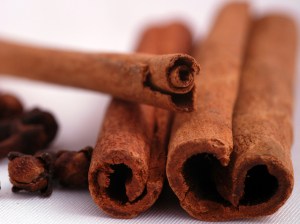
Cinnamon– yes the same spice used in cookies, cakes and pies is also known for its ability to lower blood sugar levels, cholesterol and triglycerides. One to two teaspoons per day (taken in capsule form) are recommended to obtain these benefits. But long-term daily use of the spice in this amount is not advised because of the possible accumulation of other toxic compounds like coumarin that are also found in cinnamon. For best results use the Cinnamon Cassia instead of Ceylon Cinnamon.

Still Needing Study

Chromium Picolinate is an extremely popular mineral supplement thought to help improve insulin efficiency and reduce blood sugar levels through its involvement in the metabolism of glucose. Type 2 diabetics are often found to be deficient in chromium leading many nutritional healers to recommend its supplementation as a preventive to  developing the disease. But some studies have shown that the chromium compounds used in supplements,”… can be converted into a carcinogenic form by means of oxidation in the body”. **

Until more conclusive research is available it is probably safest to get your chromium from food sources such as beef, turkey, fish, cheese, brown rice, whole grains and beer- Yay Oktoberfest! Permission to indulge!

Until next week…

Enjoy, Take Care and BeWell

*Michael Tierra, L. Ac., O.M.D., The Way of Herbs. New York, NY: Pocket Books, 1998

**Phyllis A. Balch, CNC, Prescription for Nutritional Healing 4th Edition. New York, NY: The Penguin Group, 2006

Hair’s Return

For quite some time I’ve wanted to try Natural Factor’s BioSil Advanced Collagen Generator, and about a month ago I finally began using this collagen booster to help increase hair growth  and thicken the existing hair around my hairline and front of the head. I’ve worn my hair in locks for about ten straight years now, and after a while the weight of the fused strands combined with the twisting and re-twisting  of the locks stressed the follicle and caused hair thinning. I’ve always had a fuller head of hair in the back of the head than in the front, but sectioning off the hair in small segments to form the locks really accentuated this fact. Needless to say, I had been seeking a solution to this problem for a while and was really excited to hear the positive feedback received on the BioSil supplement.

Now because BioSil is a collagen generator, it benefits not only the hair but also the skin, nails, joints and even internal organs. Our bodies produce less collagen as we grow older and start to exhibit the tell tell signs of age due to this decreased production. Consequently collagen, actually a protein, is frequently included in antiaging supplements and programs. Like other supplements, it can be taken in liquid, pill and powder forms as well as applied topically and injected. The oral dietary supplements are thought to be more beneficial and offer longer lasting results than the topical and injectable forms; but the oral forms are usually sourced from chickens, cows or pigs, as with gelatin (a natural source of collagen), preventing vegetarians and pescetarians from experiencing their benefits.

Though I’m neither a vegetarian nor a pescetarian, I chose this vegetarian booster over an actual collagen supplement because I prefer to enhance my body’s capabilities while it is still generating the protein rather than completely relieve it of its production duties. And I am very happy to report that I definitely see the difference! My hairline is fuller as is the hair atop my head! Finally, a solution!

 BioSil uses forms of Silicon and Choline to boost collagen production. Silicon is the second most abundant element on Earth after oxygen and necessary to the formation of collagen. It also stimulates the immune system and prevents our bodies’ tissues from aging. It can be supplemented naturally by eating beets, brown rice, bell peppers, leafy green vegetables, grains and the herb horsetail. The other ingredient Choline is a member of the B Vitamin family and is needed in the production of our cell membranes. It is found most abundantly in lecithin, egg yolks and brewer’s yeast.

I should also mention that I have been taking a daily 3000 mcg dose of Biotin, another member of the B Vitamin family, for a few months as well. Biotin is known for its positive effects on hair growth and health through its support of protein formation within the body. And though I’m sure it helps increase the growth and overall strength  of my hair, the fullness in my hairline did not become noticeable until I started including the BioSil in my program.

BioSil is available in both liquid and capsules and should be taken twice per day for optimal results. Remember that the body can take anywhere from four to eight weeks to show sustained benefits, and it appreciates a brief seven-day break after four weeks of consecutively using any nutritional supplement. I’m on a break now and can’t wait to start again so I can report the improvements seen over a two month period. I’ll keep you posted!

As always, please don’t hesitate to speak with your doctor if you’re unsure about a supplement’s appropriateness, and be sure to let them know of any other supplements you may be taking.

Until next week, take care of you and be sure to BeWell!