Is it Worth “Hangin’ Round the Mistletoe”?

mistletoe ASPD P6270023
Image by eyeweed via Flickr

Season’s Greetings All

I hope it is treating you well, providing full homes, full bellies and full hearts. And in the spirit of the season, I decided to do some digging into our beloved holiday symbols. Mistletoe seemed a natural object of investigation. If you’re like me, you may have wondered what if any medicinal value there is to this long revered plant. But before we go there, let’s first cover a few interesting tidbits.

Turns out this romantically objectified plant has a villainous reputation and somewhat sorted past. For starters it is a parasitic plant that preys on hardwood trees like apple and oak. Mistletoe also possesses strong survival acumen and rarely kills its host knowing that it would perish right along with it. What is most interesting though is during Mistletoe’s life cycle it devolves from a self-sustaining plant capable of producing its own food through photosynthesis and thus living on its own to a parasitic one relying upon the nutrients of another to survive. These qualities are in fact the opposite of those rumored to have earned it its good luck charm status.

Some say our kissing beneath the Mistletoe goes back to the Vikings’ association of it with Frigga, the goddess of love, or to the first century Druid belief in the plant as a miracle worker with the power to increase fertility. People have been looking to Mistletoe to insure their love lives for quite some time. So for all the hopeless romantics and believers out there looking to get the most of their moment, the correct kissing etiquette is as follows:

  1. The man removes one berry when he kisses the woman.
  2. Once all the berries are gone, kissing is no longer allowed beneath that plant. *

Now for my fellow herbal enthusiasts, myth also has it that the Druids believed Mistletoe to be capable of healing diseases and sure enough today it is considered a useful home remedy for high blood pressure, migraines and breathing difficulties such as Asthma. Preparing a tea with Mistletoe leaves and drinking a cup one to three times per day is thought to be helpful with these conditions.

Additionally, Mistletoe is especially helpful to women in reducing post delivery bleeding (childbirth), and alleviating the symptoms associated with menstruation and menopause.

Menstruation                                                                    Menopause

heavy flow                                                                       hot flashes

chronic cramping                                                              hormonal imbalance

uterine disorders                                                              anxiety

A dose of one to two cups is indicated for the above and can be taken as needed for relief. To make Mistletoe tea place 5 grams of finely chopped Mistletoe leaves in 250 milliliters of cold water and let it stand at room temperature for 12 hours.**

Please note that there are different species of Mistletoe, the most popular being the European and American, and the berries of most types are poisonous. When it comes to the leaf tea, the maximum amount that can be safely taken in one day is twelve cups.

Children and pregnant or nursing women should not use Mistletoe, and your physician’s consent should always be obtained before using this herb. Kissing beneath it, however, requires no medical clearance what so ever. So love it up, and enjoy this seasonal charm. Smooches to you and yours, be safe and BeWell!

For more interesting facts and medicinal uses of Mistletoe check out:

* “How Mistletoe Works” by Barbara Suszynski & Sam Abramson at  http://people.howstuffworks.com

**http://www.naturalremedieshealthbenefits.com/herbs/health-benefits-of-mistletoe/

A Solution to Holiday Weight Gain?

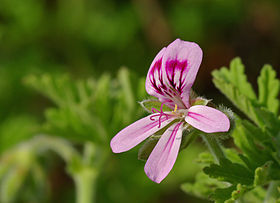
 There’s a new burner on the market that claims, as most now do, to”suppress appetite, control carb cravings, support mental focus, clarity and energy,” in a one cap per day serving. MethylHex 4, 2 is a 206 mg proprietary blend of thermogenics (fat-burners), neurotransmitters and endurance activators, with its most abundant ingredients being caffeine and a pharmaceutical grade extract of geranium leaves and stems called 4-Methylhexan-2-Amine HCL or methylhexaneamine.

Methylhexaneamine is a chemical component of the plant Pelargonium graveloines that is known for its adrenaline mimicking qualities and has the reputation of being similar in action to ephedra ( Ma Huang) but less stimulating to the central nervous system. Some of you may recall the back in the day burners that made you feel like you could easily conquer the world, not to mention that day’s workout. Due to gross misuse of ephedra based products, this potent decongestant, diuretic and stimulating herb was banned from use in over-the-counter remedies. Methlhexaneamine has also been removed from many products due to its prohibited use by professional athletes, some police forces and various other competitive sport governing agencies. It is considered a strong performance enhancer perhaps because of its norepinephrine like behavior (elevation of heart rate, release of glucose, increased blood flow to muscles).

Now because my goals are primarily energy, focus and mood enhancement not weight loss, I tried this supplement to evaluate its impact in these areas. For seven days I took one pill a day, in the morning, on an empty stomach, following or with a caffeinated beverage. On the days that I danced in the evening, I skipped my usual pre-workout powder. One day I had half of a super fruit drink that contains the energizing herb guarana and has about 50 mg of caffeine/serving. So, that day I had approximately 25 mg of caffeine as a pre-workout. On another dance day, I skipped both the pre-workout powder and the energy drink and just had my usual a.m. cup of Joe. I had a 12:00 drum class followed by two hours of dance class and felt good, even great, all the way through.

The Low Down

After day one, I could already see the potential to really dig this product. I had smooth energy that set in about 45 minutes after taking it. I also experienced the brain buzz that I admittedly enjoy and a great sense of focus. And yep, yep, yep, despite the stress of the day my mood stayed relatively positive; minor glitches felt like merely that. No sweat, just things to handle and move on. Bingo! My agenda was met, and in addition to that, I didn’t feel especially hungry throughout the day. I didn’t even feel that strong hunger sensation on my longer and more active days. I only really ate because I knew I should or at times had those “yeah, I could eat moments”. So I’m thinking that I could definitely get used to the mental and energetic sensations, and I do see the potential for weight loss if used for a longer duration of time.

Tips from the Rep

I had the opportunity to speak with a representative from the MethylHex 4,2 makers SEI Nutrition, and his recommendations were as follows:

  1. Only take one pill at a time.
  2. If you feel the need to take a second pill, only do so after 6 hours have passed from when you took the first, and take no more than 2 pills within a 24 hour period. Methylhexaneamine’s effects on the body last for at least six hours.
  3. If you need or enjoy an immediate burst of energy, take it with a simple (non-geranium containing) caffeinated beverage.
  4. If you work for an organization that performs drug or blood doping tests, take the product with you to show the officials what may register in your “sample”.

In addition to the rep’s advice, I also suggest that you:

  1. Recall your medical history and know your family’s. The most active ingredients are considered safe for use but the label does state that anyone with a history of stroke, heart attack, high blood pressure, liver, thyroid and/or kidney disorders should consult with a physician before taking. Don’t be alarmed. Most fat burning products have a similar warning on the package.
  2. If you decide to use the product, do so for no more than 8 consecutive weeks and then take a few weeks off.
  3. Adhere to the 6 days on, 1 day off/4 weeks on, 1 week off approach if possible. Natural products can elicit physiological effects that we can become mentally reliant upon, and habits are not fun to break.
  4. Eat 4-6 well-balanced meals per day even if you are not super hungry. This will naturally boost your metabolism and sustain your energy throughout the day.
  5. Try it as a standalone supplement before layering on others, especially other energizers, including caffeine.

In all, I think it is a good all-in-one weight management product, best used as a jump-start to more long-term lifestyle changes such as regular exercise, proper meal planning and stress management techniques. I definitely see its usefulness in getting through and past the holidays without worrying about and actually gaining extra weight. As long as you fall outside of the warning label’s restrictions and use it responsibly, for a limited period of time, it should be fine. Of course, always consult with your doctor if you are uncertain about any product’s appropriateness for you. Play it safe folks!

Consider Health First, and BeWell

Merrily Supplement Free

Many of my clients and customers simply do not believe in supplementation. Maybe, just maybe they’ll entertain my suggestions of Vitamin C for immunity’s sake. But as soon as I start with the antioxidant protection, mood enhancement, energy, blah blah blah, they’re pulling out their guns and loading,” I eat well. I hate pills. I’m allergic.” And I get it. So here’s to you folks who are determined to go full speed ahead into this winter holiday season sans supplements.

First and foremost, go to bed!

My favorite commercial is the one where the mom declares that “…someone needs a time out,” and low and behold she is referring to herself. So in the same spirit, I repeat, grown folks take your a$$ets to bed! Among other things, lack of sleep decreases our cells’ sensitivity to insulin and consequently elevates our blood sugar levels. As we know, the short-term effects of this can be frequent sugar cravings, mood swings and increased irritability; but the more serious long-term effects include obesity and Diabetes. Sufficient sleep will keep you from biting your___’s head off and add some extra years to your lovely life.

Additionally, the amount of stress hormone cortisol present in our system is linked to our circadian rhythm-“a daily cycle of biological activity based on a 24-hour period and influenced by regular variations in the environment, such as the alternation of night and day.”* Regular and predictable sleep patterns help to modulate the secretion of this hormone and a healthier stress response not only makes your hectic day feel more manageable, but it also keeps your waist trimmer and protects you from countless other stress oriented ailments and diseases like stroke and hypertension.  Our bodies’ cortisol levels are generally higher when we wake and typically take a fast drop after breakfast, bringing me to the next supplement free suggestion.

Run; don’t walk, to the breakfast table.

Not only will you naturally regulate your cortisol and blood sugar levels this way, but you will also set yourself up for more appropriate eating patterns during the day. Skipping breakfast has more recently been linked to increased weight gain. This is due in part to the subsequent tendency to eat more throughout the day. In a sense, when we skip this first meal we spend the remainder of the day playing catch-up and can consume an average of 100 calories more than usual as a result.

Another motivator is that breakfast is the perfect opportunity to indulge in heartier and richer foods.  You have the remainder of the day to burn and use those calories, so take advantage and fill your plate:

  • eggs are an exceptional protein source and loaded with choline (for brain, nervous system and liver health); sulfur  (for hair, skin, nail and joint health); and lutein (for eye health)
  • whole grain cereals are rich in minerals and dietary fiber for healthier hearts and colons
  • yogurt is a natural probiotic source that helps replenish our intestinal tracts and maintain stronger immune systems
  • fresh fruits add even more fiber, vitamins, minerals and antioxidants to our daily arsenal

Spark up your mid-day snack.

Whether it’s a mini meal or a quick coffee break that gets you through that afternoon slug, putting a little pepper in it will do both your mind and body good. Chiles, paprika and especially cayenne act as stimulants and antispasmodics. They warm the blood, increase circulation and counter act inflammation. In fact one ¼ teaspoon dose taken three times a day is a commonly prescribed herbal tonic for the treatment and prevention of depression, headaches, arthritis, colds and flu.**And if you haven’t had hot chocolate with cayenne, you simply must. Absolutely delightful!

Last but not least-breathe it all in.

It may seem too common of knowledge and therefore not necessary for review, but I am constantly reminded how easy it is to forget to breathe. I catch my clients and myself holding in breath all the time, and as soon as it’s released there’s an increase in power, ease of movement and overall energy. Guaranteed.  Remember the big oxygen bar craze a few years ago? Many of the herbs that enhance mental clarity and capacity, such as Ginkgo Biloba, do so by increasing circulation and oxygen flow to the brain. If you are determined to conquer stress and fatigue this season without a supplemental “middle man”, then try out a breathing technique to push you through.

  • Calm an overactive nervous system– inhale for 4 counts, hold for 7, and exhale for 8. Repeat the cycle three times
  • Energize the mind– inhale and exhale 10 times, as you count each inhalation one by one to the tenth breath in. Repeat this cycle four times.

To all of you going Commando this season, I’m in your corner and wishing you the very best. Be sure to take a moment, to take care, and of course, to BeWell!

*http://www.thefreedictionary.com/circadian+rhythm

**Michael Tierra. The Way of Herbs. Pocket Books:NY, NY, 1998.

Stress Buster, Gut Blaster, Mind Mender-What Doesn’t Rhodiola Do?

Greetings folks, during last week’s post I proclaimed  Resvitale’s  Cocoa Energy Restore my little holiday secret, not only for its energizing and mood enhancing powers but also for its inclusion of three highly regarded adaptogenic herbs- Schisandra, Ashwagandha and Rhodiola. Quick study break:

“Adaptogens deliver minute shocks of mild stress that condition your physiology to respond to more major stresses in a favorable way. Adaptogens exert a normalizing effect, allowing organisms to increase healthy functions that are impaired by stress, and to decrease unhealthy responses that are triggered by stress, without any risk of ‘overshooting’ and creating an unbalanced response…adaptogens simply enhance the body’s ability to maintain homeostasis and fight age-inducing stress.”*

So, as the season of giving rolls in, I’ve been paying particular attention to how much I give in to anxiety and lack-luster energy. I haven’t researched the exact stats, but I’d venture to say that this time of year is at least one of the most marred by those annoying, albeit momentarily, incapacitating little illnesses.  AND I REFUSE TO GO DOWN LIKE THAT!!!  Sorry to be so aggressive in my declaration, but I am extra determined this year. Anyhoo, in my quest for efficient and cost-effective ways to stay healthy, invigorated and yet still at Level 2 (as my friends say), I’ve directed my attention to the class of nutrients most qualified for the job. Now, I admit that I tend to fall fast. Frankly, I first developed a serious infatuation with Schisandra and Ashwagandha because their names are so dog gone cool. And now, I am seeing that Rhodiola too is a genuine keeper. Let’s get started.

Rhodiola Rosea typically grows in colder, mountainous environments and has been used for centuries by natives of Central Asia and Northern Europe to combat the resulting stresses in living with the colder temperatures and higher altitudes of those regions. The root of this flowering plant has and continues to be the more studied part and is therefore most commonly supplemented. There are many healthful nutrients contained within Rhodiola giving it the ability to serve in several different capacities including antioxidant, antiviral and antibacterial. By definition, adaptogens work their magic in a number of different ways through various biological systems, but what I find most appealing and seasonally appropriate about this one is its ability to 1) reduce our production of the stress hormone cortisol 2) seemingly outwit anxiety and 3) prevent toxin induced stress to liver cells. Let’s be real, this time of year can usher in a serious case of the “I need a stiff one to take the edge off’s”, so (not suggesting a means to over indulge in unhealthy behavior) any assistance in the area of damage control is much appreciated.

Our #1 Frenemy 

Cortisol is the hormone released by our bodies when we encounter stressful situations. In short bursts for brief periods of time it helps us to survive what the mind perceives to be threatening circumstances. Remember the “stress response” cycle that kicks in gear when confronted with these scenarios– rush of adrenaline, increased heart rate and blood pressure and elevated blood sugar levels. It serves our survival in the short-term, but can dramatically cut our life span in the long. Frequent, repeated release of cortisol with little to no recovery time between is a consequence of chronic stress, and the dangers of chronically elevated cortisol are weight gain in the abdomen (more work for the heart), hypertension, hyperglycemia and suppression of immune function. Rhodiola confronts the stress response cycle by acting directly on,” the brain – adrenal gland system to reduce cortisol production while enhancing stress resistance…”*

So, less cortisol without losing the ability to perform and overcome stress, I’ll take it.

Fear Factor

In studies conducted on actual human subjects (not that mice don’t have their problems too, but…), participants struggling with symptoms of general anxiety disorder-frequent, excessive worry, difficulty concentrating, irritability, muscle tension, sleep disturbances-experienced significant reductions in their symptoms after receiving 340mg of Rhodiola Rosea extract daily for 10 weeks.

Ok ten weeks, taking us through the New Year and straight into the recovery phase. Something to look forward to.

Liver Lover

The liver acts as our body’s filter. Macro and micro nutrients, hormones, supplements, medications, alcohol and an innumerable amount of other substances are processed by the liver. In many ways, our body’s health depends on our liver. As an antioxidant, Rhodiola protects the cells of the liver from damage by toxins and other stressors. It has also shown the capacity to reduce liver dysfunction and even restore the liver’s own natural antioxidants.

Whether you’re boosting your immunity with vitamins, your disposition with spirits, or your recovery with medication, you can’t go wrong caring for the liver.

And If That Weren’t Enough

Rhodiola is also known to:

  • Improve physical performance by increasing oxygen intake and decreasing muscle damage
  • Decrease inflammation
  • Protect and restore brain cells
  • Enhance immune function
  • Inhibit cancer cell growth
  • Slow the aging process

Rhodiola can be supplemented alone or in combination with other adaptogens. Beware of supplements that only contain extractions of the Rhodiola constituent Saldroside. Many manufacturers believe it to be the most healthful nutrient in the herb, and only supply that. Opt for the whole root extractions instead because there are many other beneficial nutrients within the Rhodiola herb. And, as with most herbs, the nutrients within are each naturally present in the most healthful amounts and balanced in a way that best compliments the other components. Choose a supplement that provides about 200-300mg of Rhodiola Rosea root extract per serving, standardized to supply the individual constituents of the herb in the amounts most consistent with the natural plant. Nature knows best. Trust in her and as always…

BeWell

*Jan Whiticomb, “Reducing the Risks of High Cortisol,” LifeExtension September/October 2011: 46 and 49.