
 Hanging with my girls at a recent BBQ, the topic of female fertility came up. As we marveled at a 50+ woman who looked decades younger we segued into the progress that has been made in the anti-aging industries and pondered what a relief it would be if we could preserve our reproductive health as gracefully as we potentially can our beauty. As thirty something women, no matter how accomplished or professionally focused we may be, it can be very hard to avoid what my friend calls the “no baby crazies”. And though we may not be ready at this very moment those proverbial biological ticks can, at times, dong as loudly as the liberty bell, trample over an otherwise relaxed encounter and bear down on a blossoming relationship like a souped up Mack truck.
Now I know the world of nutritional healing has both its share of long guarded secret recipes as well as new and innovative approaches to slow the aging process, so I immediately focused my hunt on if and how we women could preserve our creative capabilities. Certainly the overall state of our reproductive health has to be analyzed first. Our bodies are beyond complex and so many factors come into play when making that determination. But, as that is literally an encyclopedia set’s worth of information, we will start with the assumption of an already healthy and fertile system.

Laying the Foundation
A diet rich in anti-oxidant foods and supplements is extremely important to overall reproductive health. These nutrients counteract potentially damaging effects of environmental and metabolic toxins. Protective super-foods like vibrantly colored fruits and vegetables along with anti-inflammatory essential fatty acids and the absence of risky habits like cigarette smoking and heavy alcohol consumption (more than 1-2 drinks/day, 3-4 days/week) definitely provide ongoing nourishment to an already healthy system. Additionally, certain vitamins and minerals are especially significant to women.
B6 is believed to both regulate and extend the length of a woman’s Luteal Phase. The Luteal Phase is the portion of the menstrual cycle beginning the last day of ovulation and continuing through the first day of menstruation. The results are the formation of corpus luteum and the secretion of the progesterone hormone. The progesterone hormone prepares the uterine lining for implantation of the fertilized egg and helps to sustain that egg through the first trimester of pregnancy. Consequently, a healthy Luteal Phase is critical to both conception and full term pregnancy. 300 mg/day of B6 is a good supplemental amount; and as vitamin B6 is water-soluble (any unused amounts are excreted by the body) a sustained release version is preferred over the quicker forms.
Getting a Head Start
I’ve previously written about the importance of a good multi-vitamin supplement and that could not be truer than for those looking to conceive in the near or far future. Many health professionals recommend taking pre-natal vitamins in place of generic formulations to get more targeted nutritional support that provides appropriate amounts of those nutrients critical to both an expecting mother and her growing child. The prenatal vitamins will have at least 400 mcgs of folic acid to insure the full development of the baby’s brain and spinal cord and more modest amounts of vitamin A to protect against the birth defects that have been linked to the excessive intake of this vitamin.
Another extremely important nutrient to the baby’s brain formation and functioning is docosahexaenoic acid or DHA. This component of omega 3 fatty acid is obtained from cold water fish such as wild salmon, tuna and mackerel. Due to the risk associated with ingesting high levels of mercury when consuming large amounts of seafood, supplementing 300 mg of purified DHA per day may be the safest way to obtain adequate amounts of the nutrient. Some prenatal multi-vitamins now also include DHA in their formulation.
Herbs for Her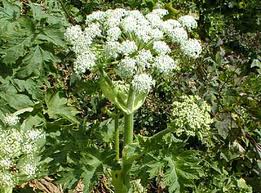
It’s no surprise that my hunt uncovered two commonly used tonic herbs, Vitex or Chaste Tree Berry and Don Quai. Each of these has a long history of use by women to tone the reproductive organs and regulate hormonal activity. Consequently, both herbs are frequently recommended for female conditions ranging from PMS and menstrual irregularities to post partum care and menopause.
Studies on Vitex have revealed its ability to positively act upon the pituitary gland and thereby increase the duration of the Luteal Phase and resulting luteinizing hormone production and progesterone secretion. Did I mention we women were operating some complex machinery? In the simplest of terms, it can help enhance the processes and hormones that enable and sustain pregnancy while decreasing those that prevent it. Vitex should not be taken alongside fertility drugs and should not be used while pregnant. I currently take 400 mg/day and find it very helpful in regulating my cycle and soothing some of the discomfort experienced towards its end.
Don Quai or the so-called “female’s ginseng” has been used for centuries by traditional Chinese doctors to promote overall reproductive health and vitality, increase sexual desire and enhance energy. However, it contains certain compounds that act as estrogen does and may consequently increase risk levels and complications with estrogen related ailments like uterine fibroids, endometriosis and cancers of the reproductive system. Don Quai also contains the volatile oil safrole that may be cancer causing when taken for long periods of time. Therefore, it is safest to take a whole herb supplement or crude extraction instead of a highly processed and concentrated blend of the herb’s active chemicals. Crude preparations tend to keep a more volatile herb safe by maintaining the various compounds in proper proportion to one another, naturally protecting the consumers from danger. Studies have confirmed 3-15 grams/day of the crude herbal extract to be safe. I have personally experienced significant improvements from taking a daily 550 mg dose of the whole herb in capsule form. But because I do suffer with fibroids and adenomyosis, and have seen improvements in the latter condition, I will continue my supplementation at the lower level.
Like Vitex, Don Quai should not be combined with other fertility drugs and should not be taken by women who are already pregnant or nursing. Additionally, Don Quai contains the chemical coumarin that shortens blood clotting times and should therefore not be combined with aspirin or other blood thinning medications. My experience has also lead me to think that Don Quai has the potential to increase menstrual flow and should therefore be suspended in the days leading up to and on through a woman’s period. Both herbs are considered very safe when used as directed by the manufacturer or health care practitioner.
As I close out, I can actually feel my no baby crazies cooling down. Although I believe our bodies definitely do have a mind of their own, I also have faith in nature’s bounty, and think with her wisdom and our thoughtful application anything is possible. The following article may also be helpful.
http://www.conceiveonline.com/articles/pros-and-cons-fertility-supplements
Let’s keep caring for ourselves ladies! Until next time…
BeWell
Sources:
Balch,Phyllis A. Prescription for Nutritional Healings. New York: Avery of
Penguin Putnam Inc, 2002.



 BeWellWarrior